Wednesday, November 30, 2005
Bonus Blue: Rhododendron Faisa
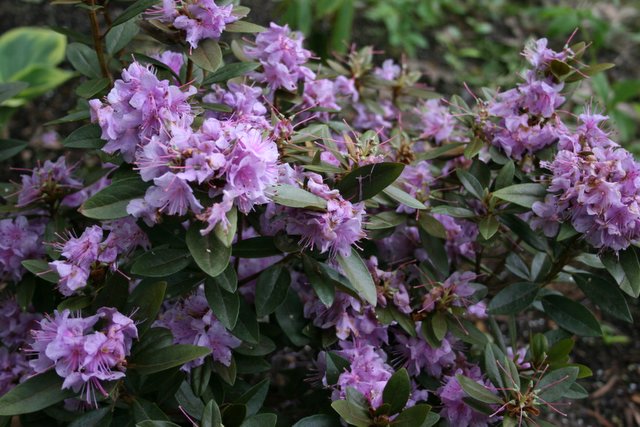 As long as we're talking blue rhodys, this is Faisa, a small lepidote, reaching no more than four feet tall, that is sort of a lavender-blue at best (not as blue, certainly as Bluenose), but is nevertheless a VERY nice small rhody, just covered with flowers, and very healthy appearing. It has R. minus parentage, and is therefore both heat and cold tolerant, with very clean looking foliage. I have it planted in front of an Autumn Moon Japanese maple, in a shady corner, and underplanted with grape hyacinths.

Bluenose Rhododendron
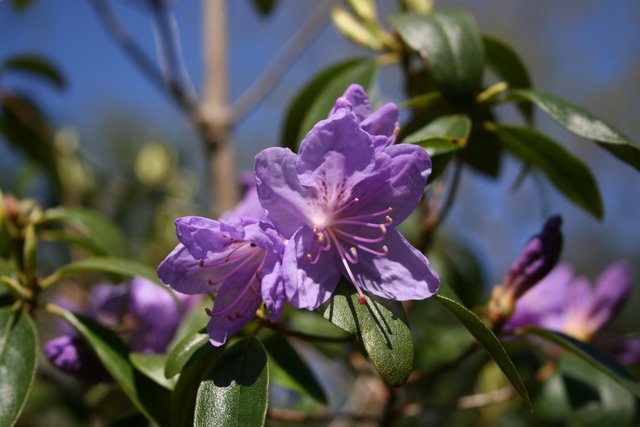 I've been thinking about blue flowered rhododendrons (or the lack thereof) that I could grow here in Iowa. RareFind nursery in New Jersey touts Bluenose, shown above in our garden this spring. It's named after a famous Nova Scotian racing schooner that's been pictured on Canadian stamps and coins. They say it's about the truest blue that can be grown in New England, and it grows like a weed here, but I wouldn't exactly call it a true blue; it's more of a violet blue. RareFind says it grows 3-4 feet high, but mine is easily 7 feet tall; however, I have mine in a fair amount of shade, as this rhododendron is very prone to bark splitting on the trunk if the winter sun hits it. It's a lovely thing, though, and quite a contrast to the usual pinks, whites, and mauves we see in lepidote rhodys. It's quite upright in growth pattern, which is useful, and I want to try and pair one with a deep mauve flowered rhody, but need to observe next spring for bloom sequences in my rhodys to get it right, and need to find a spot somewhat protected from the winter sun. I've had real mixed results with blue lepidotes, as they mostly hate our hot summers, but I did get a new plant of Blue Baron through our fiercely hot summer, so there is hope. Blue Baron is a hybrid with R. russatum parentage, which is the problem with it, and many other small blues, as russatum, found at elevations as high as 14,000 feet, hates hot weather, which means most of its hybrids turn up their toes in August in Iowa. I've got Blue Baron planted in a discreet spot, where it's demise will not be noticed, just in case. Stay tuned until next spring to see if it makes it through what is shaping up to be a tough winter.
 Let's Plant More Violets
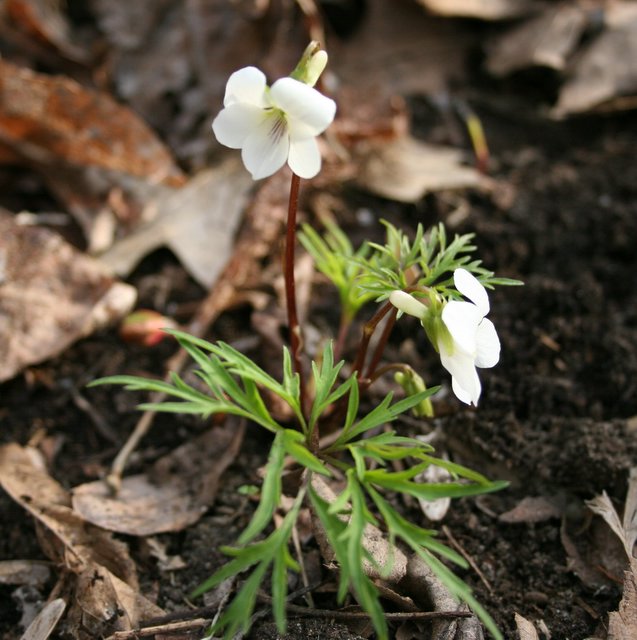 Violets are easy to forget about when not in bloom, but these little charmers, photographed in April, are a delight. Above is viola dissecta, the fern-leaf, or cut-leaf violet, which has a heady, lemony bouquet, and is a little trooper, with a long bloom time. Below is viola koreana, which seeds all over, but is hardly pushy about it.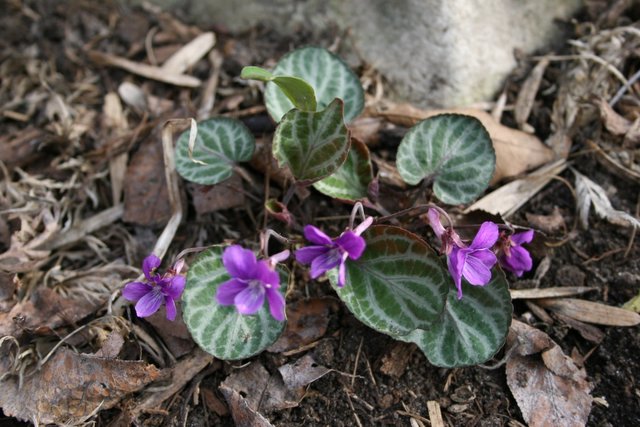
Kitten On The Keys
 Our kitten-cats have always liked laying in front of the keyboard while I'm on the computer... I think maybe they're getting a little too big to do that anymore.
 A Turn Down Day
 I was out the back door this morning, to the tap-tap-tapping of the red bellied woodpecker, on a quiet, crystal clear day, with cold temperatures in the twenties, and the ground partially frozen, but with bright sunshine causing little protected areas in the garden to steam and thaw. This was a day to do all those little wrapping-up jobs, before expected snowfall and colder temperatures tonight. I gathered armloads of oak leaves to cover the primroses, put up sunshades for some elepidote rhododendrons newly planted this spring, and strung up Christmas (excuse me... HOLIDAY lights). Liz never lets me take down the lights after Christmas; she wants them left up, and after the holidays, calls them party lights. After finishing my chores, I just wandered about under the trees. It is one of those days so peaceful and quiet, it seems timeless.
 Tuesday, November 29, 2005
Super Mustard ?
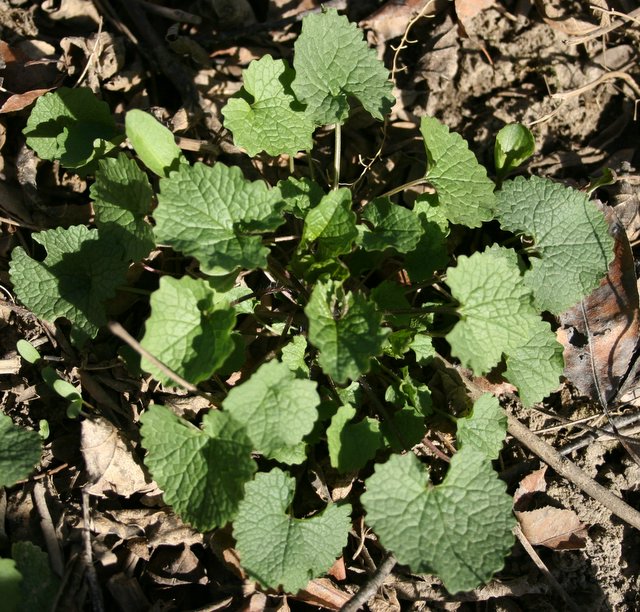 I've detailed my battle with the European invasive plant, garlic mustard. I declared war on it last spring, probably pulling up 50,000 plants in our acre of garden, and was feeling mighty pleased with myself as a result. I was then dumbfounded to find almost as many new plants springing up this year, from dormant seeds, and have learned it is a five year job to eradicate it. Now I read where in Canada, genetically engineered canola may have crossed with garlic mustard, creating a super-mustard. Yikes!
 It's Always Summer Somewhere
 Why am I showing a picture taken on our last trip to Jamaica? Because it's 23 degrees with patches of snow on the ground in the garden... who wants to see that? I woke up this morning realizing I'd not yet dug the tender bulbs for winter storage. Try digging calla bulbs in the snow for a glum job. Oh well, they're tucked away nice and snug, and I brought in all the small garden statues... I'm done.
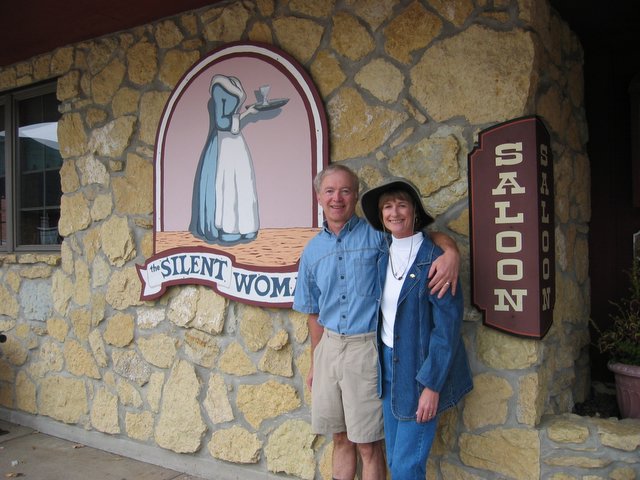
 Say Cheese!

Friday, November 25, 2005
Winter Sunset
 The air has been very clear and cold the last couple of days, leading to some awesome sunsets.
 Monday, November 21, 2005
More Winter Foliage
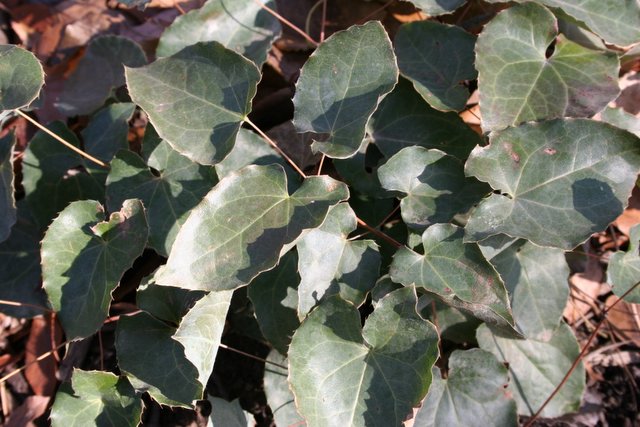
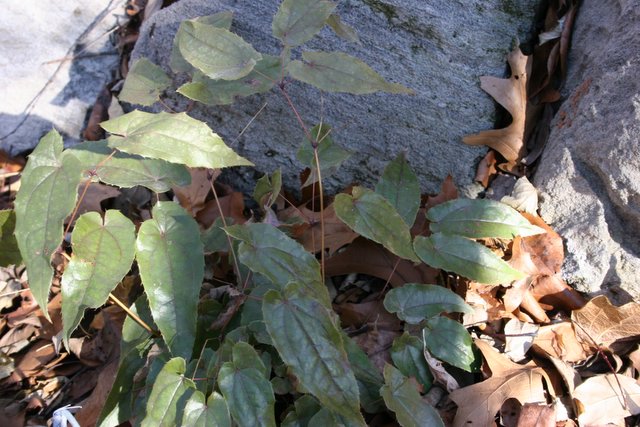
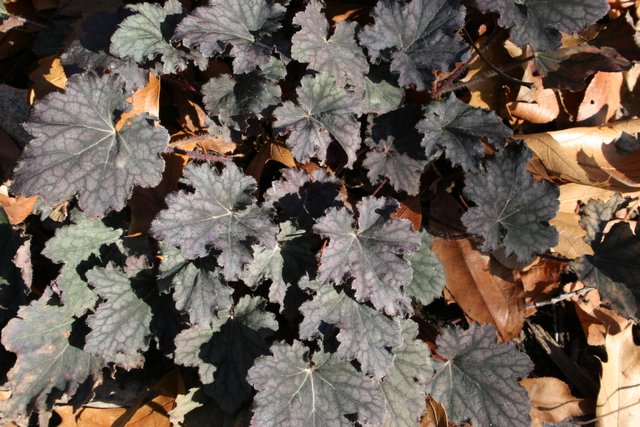 Heuchera Frosted Violet; it's been down in the teens here, yet it's surprising that there is still a moderate amount of interesting foliage in the garden. However, for the first time in quite a few years, there will be nothing blooming in December (on the coldest day recently, we set a record for low temperature for that date that had stood 46 years).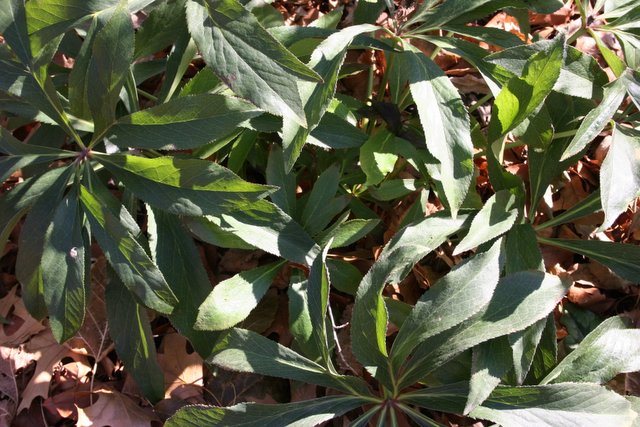

Sunday, November 20, 2005
Epimedium Black Sea
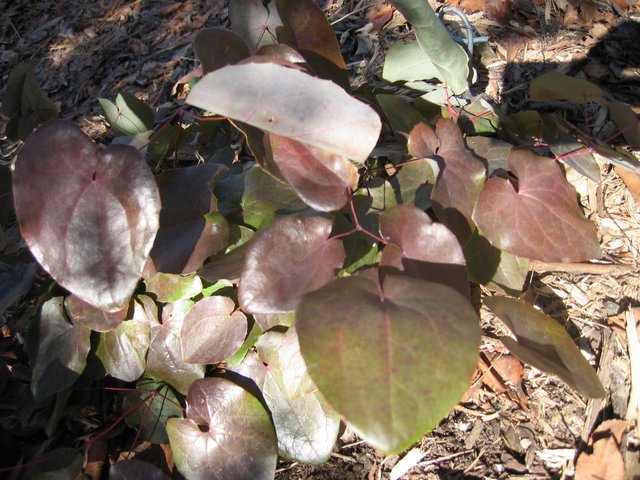 For early winter foliage, one could do a lot worse than to have a large clump of epimedium Black Sea in front of a white birch trunk, right by the garden path. Most years, its shiny foliage, which turns maroon chocolate in the fall, persists until Christmas here.
 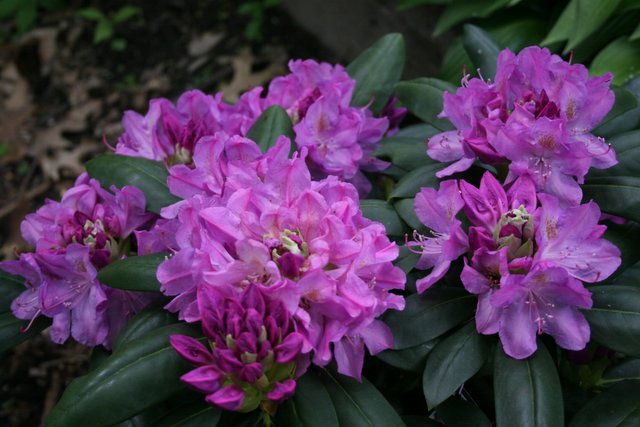 The elepidote rhododendrons may be sleeping now, but spring will come.
 Elepidote Rhododendrons
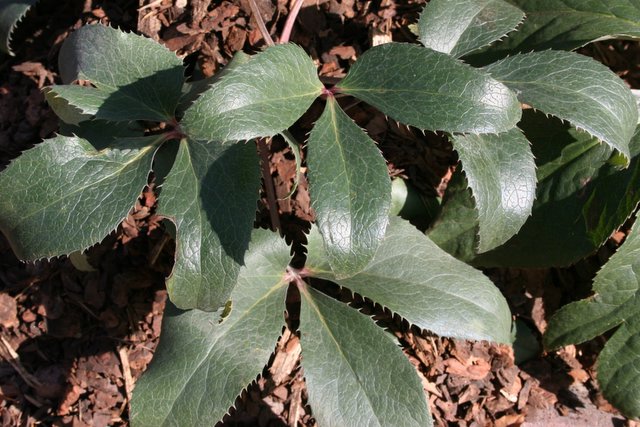
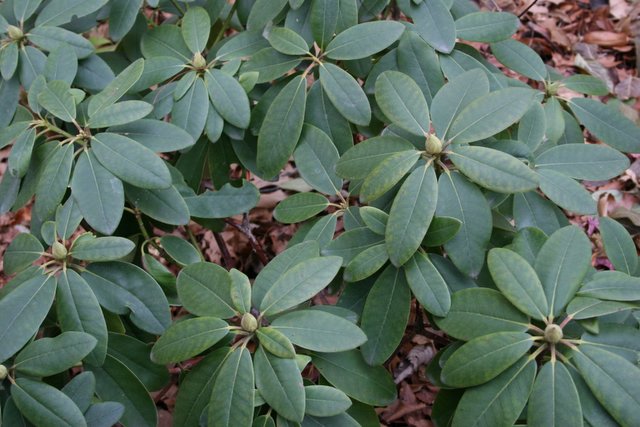 As the garden season sinks into winter's gloom, there are a few bright spots that presage a return of spring; I showed recently the new foliage of the primroses. A more substantial presence in the late fall garden is made by the elepidote (large leaf) rhododendrons, with their fat flower buds. I love everything about these bushes; their thick, green foliage, their buds, and certainly their lush, brightly colored profusion of early summer flowers. They are a little tricky for me, because the garden is all on a south-facing slope, so that in winter, these large-leafed plants get too much exposure to the sun. I'm actually going to eventually expand the garden to take in a bit of a northeast facing slope on the edge of a large ravine, just to have a better site for elepidotes. In the meantime I do the best I can; I have some conifers planted which eventually will give them some protection.
 Friday, November 18, 2005
The Other Anemone
 Speaking of anemones, this is Anemone pulsatilla, the Pasque flower. I used to live in a sandy woods that was filled with Pasque flowers every March; an aristocrat of the prairie states.
 Thursday, November 17, 2005
Elizabeth Lawrence
We've had rather a nasty turn in the weather here; a week ago I was about in shorts and T shirts (more often than not, wearing my Edward Hopper T shirt, showing a bunch of rabbits in an all-night diner). However, in a few days our temperature dropped from 70 to 17 degrees, with 45 mile an hour winds. We were victims of the NAO, the North Atlantic Oscillation. A large area of warm air has now encamped over Greenland, which blocks the circumpolar wind circulation,and causes the jet stream to buckle southward over the central and eastern U.S., and so all of the cold air which had been trapped over Alaska, pours down over us. Unfortunately this tends to be a long-term pattern, and portends a continuing and cold winter. It is therefore time to start pulling garden books off my library shelves.(When Liz and I bought this house, one nice sunny room became her office, and the cool, dark, back room had a whole wall of oak bookshelves, so was a natural for my library and den. Strangely, her office is still just that, but my den first saw a hide-a-bed for guests show up, then became a repository for miscellaneous other furniture that became surplus when Liz bought new stuff for the living room, and finally a piano showed up.) Anyway, I can still just get to the book shelves by leaning over a love seat, and the first book that always comes off in the cold weather, is Elizabeth Lawrence's "The Little Bulbs". If you don't know Miss Lawrence, you should. Unfortunately, we can only know her through her books now, as she died in 1985, but know her we still can, as her personality comes shining through every page of her writings. She took up writing rather late in life, and her total output consists of only a handful of books, most consisting of collections of her newspaper columns for the Charlotte Observer. I have a first edition copy of 'The Little Bulbs", and though it's getting rather more threadbare from reading, I'd not likely trade it for any other garden book you might offer me. Miss Lawrence's writings feature a remarkable sense of place; namely her North Carolina garden, and reading them is like having a pleasant chat with your oldest, dearest, gardening friend, whose gentle enthusiasm for all things horticultural is a constant. As the winter deepens, other books will come off my shelves, and I'll mention some of them, but the first is the best.
Anemones
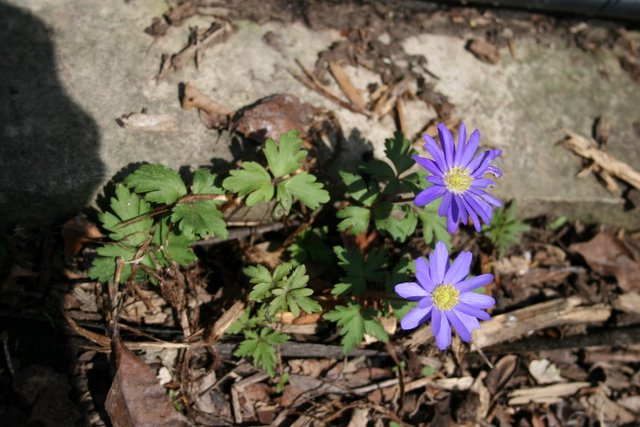 Am I the only gardener who suffers from "out of sight, out of mind" syndrome? Every spring (all these pictures were taken last April) I just go gaga over windflowers (Anemone blanda). You would think therefore that I would have drifts of them parading proudly through the garden (if a plant four inches tall can be said to be parading). However, alas, I have only a handful of these little beauties, and it's all my fault. I adore these little anemones when they bloom, make a note to plant more, then by fall when the bulb catalogues show up in my mailbox, I've forgetten all about them. It's not helped by the fact that the catalogues usually list these little bulbs in a hodge-podge page at the end, with a miscellany of other little odds and ends. My dream of having large patches of these little charmers is also thwarted by the fact that my garden is too shady and too crowded for their liking, so they tend to seed out into the sunnier, invitingly empty, bark pathways, like the little blue anemone above, where they are appreciated, but often get stepped on, so their flowers get a little raggedy.
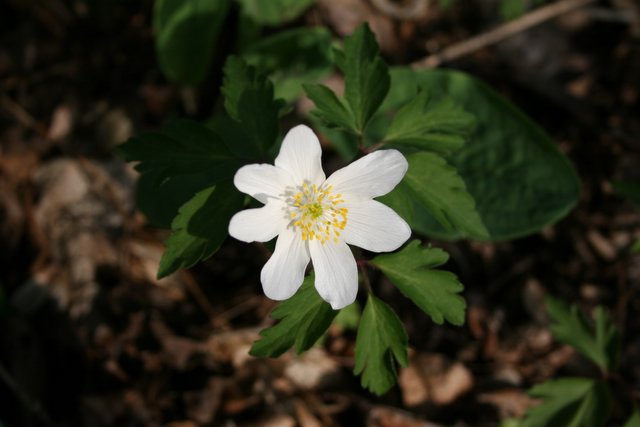
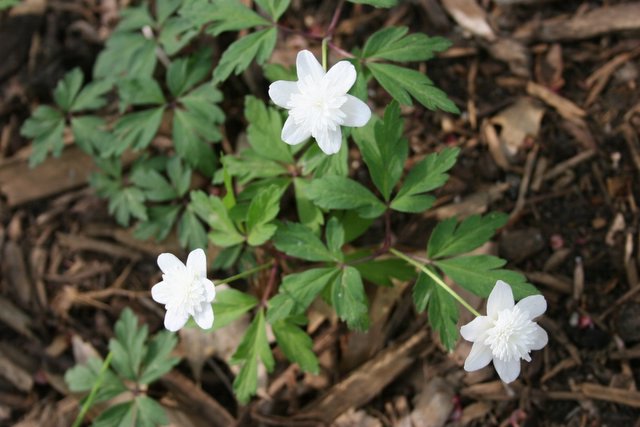
I am equally enamored of the wood anemones (Anemone nemerosa). I would also admit that they persist rather than thrive here, as our summers are rather drier and hotter than they like, but persist they do, and I delight and ooh and ah over every one of them. Below are shown a single white, a semi-double, and a lilac.